
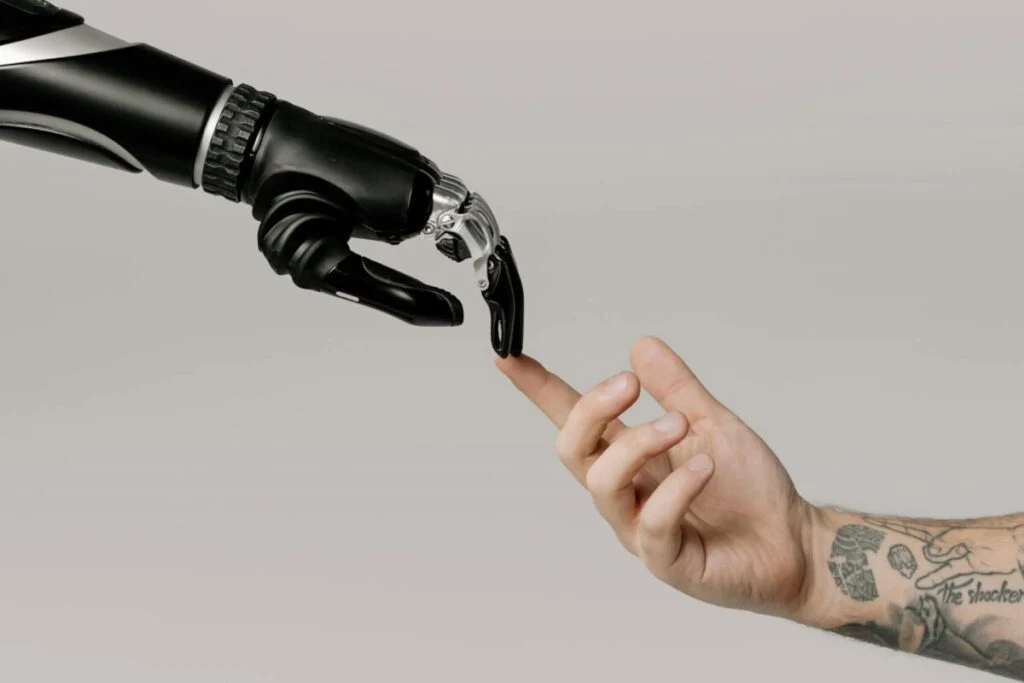
In the grand schematics of technological evolution, the dawn of Artificial Intelligence (AI) marks the beginning of an era of unprecedented possibilities. AI’s vast potential has been making waves across various sectors; from healthcare to finance, to automotive, and significantly, in the realm of architecture and urban planning. This blog post delves into how AI is transforming the architectural landscape and how it will architect the future world.
AI has always been at the forefront of the digital revolution, with its ability to learn and adapt, making it an invaluable tool. In architecture and design, AI is not just a tool for efficiency and automation but a companion for creativity and innovation.
The traditional architecture process is labor-intensive, requiring meticulous planning, drafting, and model-building. AI softwares like parametric design tools are changing this narrative, allowing architects to explore a vast range of design possibilities in a fraction of the time. Architects can input design parameters into these AI systems, and the software generates a multitude of design variations, pushing the boundaries of creativity and innovation.
Moreover, AI goes beyond design and into the realm of construction. AI-powered robots are now capable of performing various construction tasks, from bricklaying to 3D printing entire structures. This not only speeds up construction times but also reduces human error and enhances precision.
AI is also playing a pivotal role in sustainable architecture. AI algorithms can analyze various factors such as sunlight direction, wind patterns, and building materials to optimize building designs for energy efficiency. This revolutionizes the way we approach sustainable design and significantly contributes to the global effort against climate change.
Furthermore, the application of AI extends to urban planning. With the ability to analyze vast amounts of data, AI can provide insights into urban development patterns, traffic flow, and population density. This means smarter cities, optimized for efficiency, sustainability, and livability.
However, it’s essential to remember that AI is a tool, not a replacement for human architects. While AI can generate thousands of design options and analyze data in ways humans cannot, it lacks the human touch – the understanding of context, culture, and emotional resonance that is crucial to architecture. The future of architecture will likely see a symbiotic relationship between AI and architects, combining the best of both worlds.
In conclusion, AI is poised to play an integral role in shaping the future of architecture. It offers tools that augment human capacity, pushing the boundaries of what is possible in design, construction, sustainability, and urban planning. As we embrace this new architectural era, we look forward to a future world where AI and human creativity coalesce to create spaces that are not just built, but orchestrated for human experience.